Selling a Financed Damaged Car in South Africa: How to Clear Your Bank Settlement When Repairs Exceed Value
The Lowdown
Selling a financed vehicle that has suffered severe accident, engine, or gearbox damage in South Africa requires balancing bank settlement obligations under the National Credit Act (NCA) with salvage valuation.
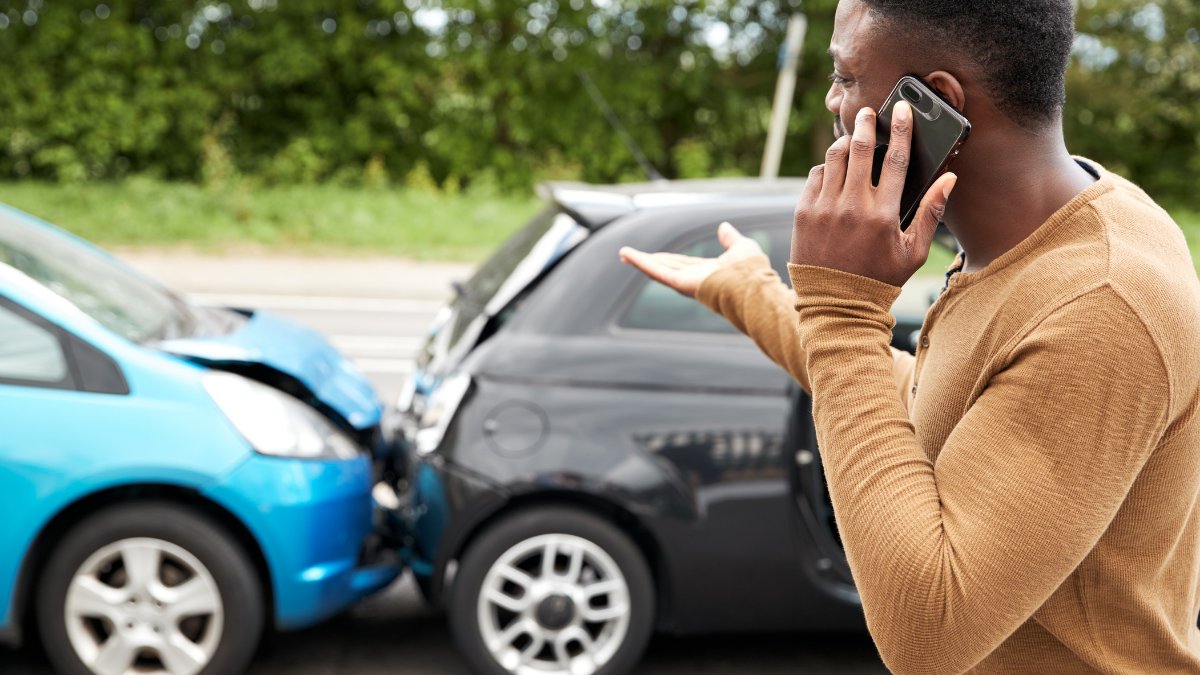
When dealership repair estimates exceed the vehicle's market value, vehicle owners face a shortfall between what the bank is owed and what the asset is worth in its damaged state. You cannot legally transfer ownership or clear eNaTIS registration without settling the bank account or obtaining a bank settlement letter.
By securing an official settlement balance from your financier (WesBank, Absa, Standard Bank, or MFC/Nedbank) and selling the damaged car directly to a registered salvage buyer like Sell Your Damaged Car, you can apply the direct cash payout toward your settlement, pay or restructure any remaining shortfall balance, and avoid credit bureau defaults.
Get Started. Sell Your Damaged Car To Us
1. Financed Vehicles, High Repair Costs, and Bank Settlements
In South Africa, when a financed vehicle sustains major accident damage or experiences catastrophic mechanical failure (such as a blown engine or seized transmission), the vehicle owner faces a complex financial impasse.
Because the vehicle was purchased via a hire purchase or instalment sale agreement, the financing bank holds title ownership of the car until the final contractual instalment and balloon payment are cleared.
Under the National Credit Act 34 of 2005, the consumer is legally responsible for maintaining contractual monthly instalments regardless of whether the vehicle is drivable or parked in a workshop.
Why Dealership Repair Quotes Cause a Shortfall Gap
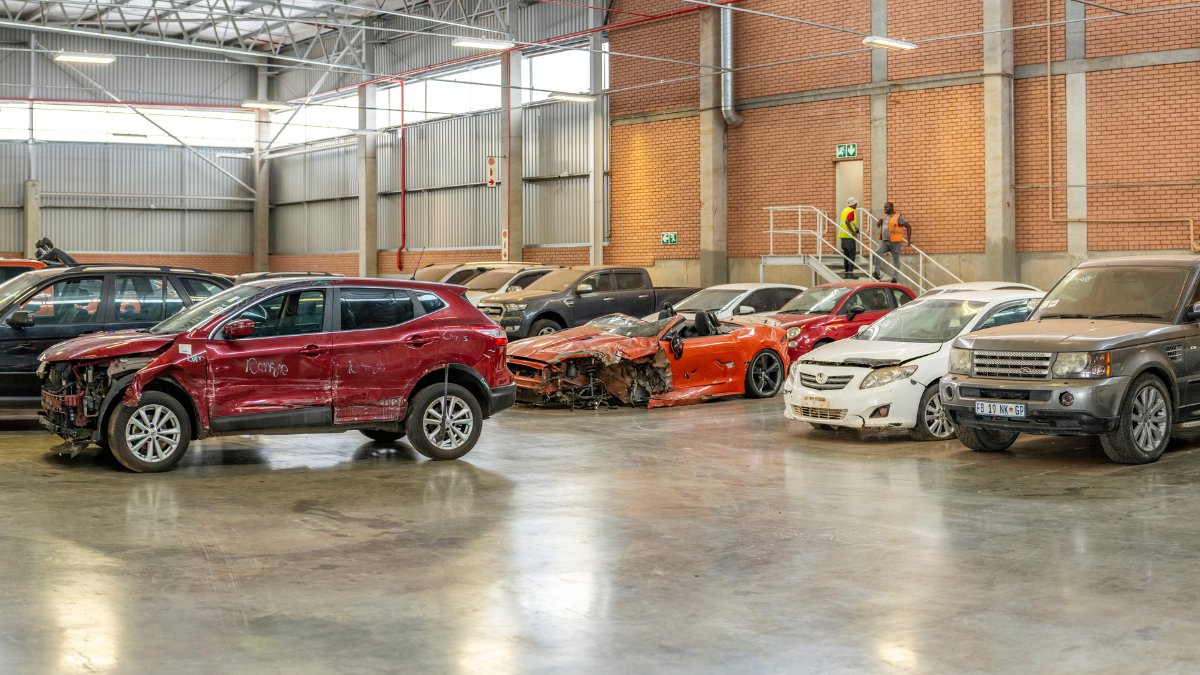
When a modern vehicle (particularly 2007+ models with sophisticated electronics, ADAS sensors, and high OEM component pricing) is towed to a franchise dealership, repair quotes frequently range between R60,000 and R180,000.
If the vehicle's current retail value is R130,000 and the repair quote is R110,000:
- The vehicle is economically unviable to repair. If the owner is under-insured or uninsured, insurance will not pay out a total-loss settlement.
- The financing bank still demands the full outstanding balance (e.g., R110,000 settlement amount).
2. Understanding Your Bank Settlement Letter and Title Rights
Before negotiating with any buyer or repairer, you must understand the distinction between Title Holder and Registered Owner on your vehicle registration documentation (eNaTIS RC1 certificate).
- Title Holder: The financial institution (e.g., WesBank, Absa Vehicle Finance, Standard Bank Auto, MFC / Nedbank). They hold the original eNaTIS certificate.
- Registered Owner: You, the consumer. You have possession of the asset and contractual liability for the loan account.
How to Request an Official Settlement Balance
You must formally request a 30-day settlement statement from your financing bank. This document reflects:
- Capital Outstanding Balance
- Rebated Finance Charges & Unearned Interest
- Daily Interest Rate Accrual
- The Bank's Banking Details & Specific Payment Reference Number
3. Comparison: How to Handle a Financed Damaged Vehicle
When deciding how to manage a financed damaged car, South African vehicle owners generally evaluate four pathways. The table below outlines the financial and operational reality of each option:
| Option | Primary Risk / Catch | Financial Impact | Time to Resolution | Credit Rating Impact |
|---|---|---|---|---|
| 1. Out-of-Pocket Dealership Repair | High OEM labour/parts cost; vehicle depreciates further as accident-repaired. | Severe cash drain (R60k–R150k+ cash out). | 4 to 12 weeks | Neutral (if paid in cash). |
| 2. Continue Monthly Payments on Dead Asset | Paying interest and insurance on a non-running car taking up space. | Wasteful monthly drain with zero utility. | Indefinite (12–48 months) | Neutral (high opportunity cost). |
| 3. Voluntary Surrender under NCA Sec 127 | Bank auctions vehicle at public wholesale scrap auction for minimal return. | Maximum shortfall balance; heavy balance left owing. | 3 to 6 months | Severe negative impact / credit flag. |
| 4. Direct Salvage Sale to Sell Your Damaged Car | Shortfall must be settled or restructured with bank to release eNaTIS. | Immediate cash recovery applied directly to bank settlement. | 24 to 48 hours | Preserves credit score via clean settlement. |
4. Selling Your Financed Damaged Car Safely
To execute a legal and credit-safe sale of a damaged financed vehicle in South Africa, follow these five steps:
Step 1: Request Your Official Bank Settlement Letter
Contact your vehicle finance provider via their portal or call centre and request an official settlement balance letter valid for 30 days:
- WesBank: Request via online portal or settlement department.
- Absa Vehicle & Asset Finance: Obtain settlement figure via Absa Online or branch.
- Standard Bank Vehicle Finance: Request settlement quote via online banking or customer care.
- MFC (a division of Nedbank): Request via MFC online service channel.
Step 2: Get a Free Cash Valuation from Sell Your Damaged Car
Provide Sell Your Damaged Car with the vehicle details:
- Year, Make, Model, and Mileage.
- Clear photographs of the exterior, interior, engine bay, and specific damage.
- Mechanical status (e.g., non-runner, gearbox failure, structural body damage).
Step 3: Calculate and Bridge the Shortfall Gap
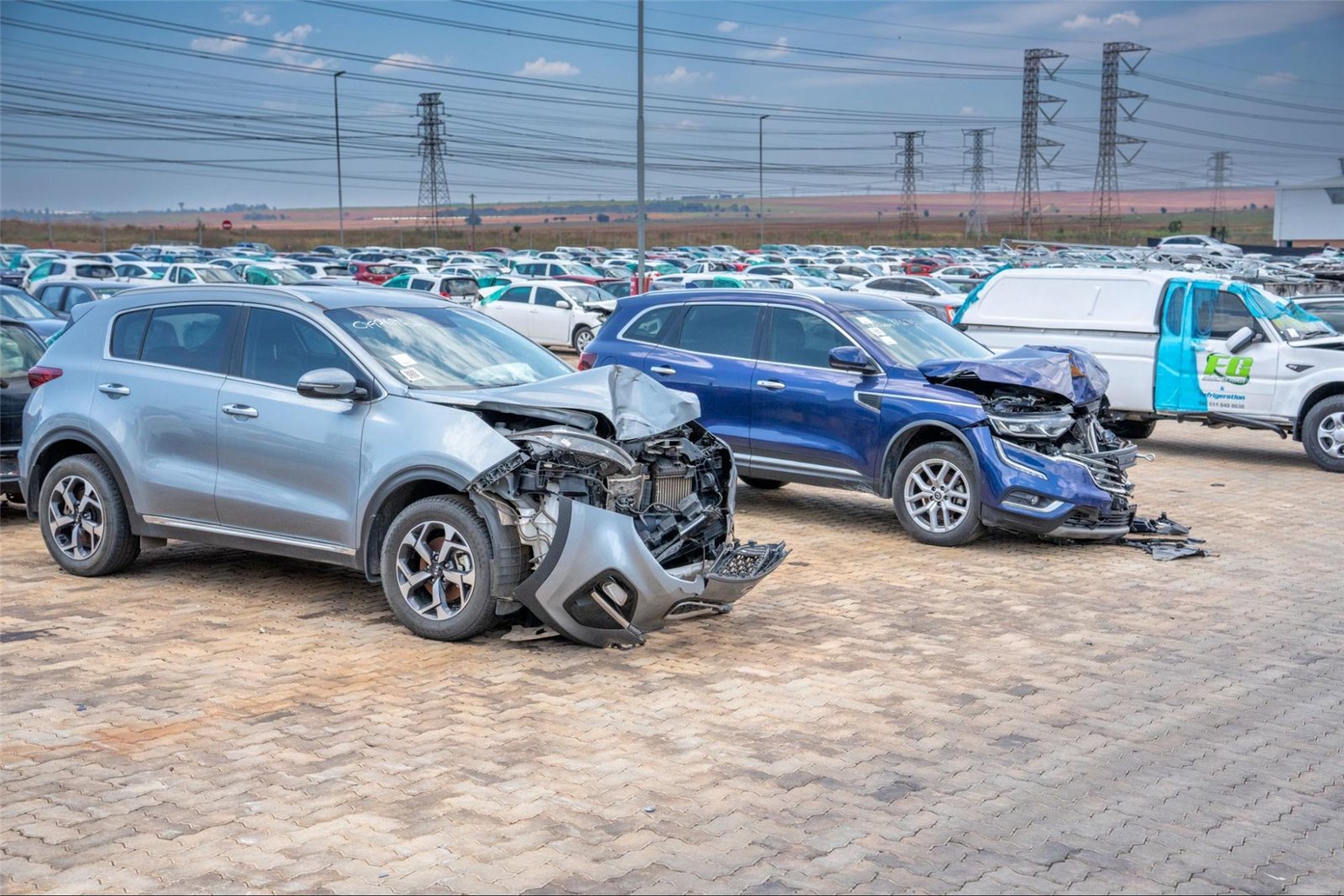
Compare the bank settlement figure with the salvage offer:
- If Offer > Settlement: The surplus cash is paid directly into your personal bank account.
- If Offer < Settlement: You pay the difference directly to the bank, or convert the remaining shortfall into an unsecured personal loan or arrangement with the bank.
Step 4: Direct Payment and Bank Title Clearance
Sell Your Damaged Car pays the agreed valuation amount directly into the bank's settlement account using your vehicle account number as the payment reference.
Once cleared:
- The bank updates the account balance to zero (or remaining shortfall balance).
- The bank releases the original eNaTIS RC1 Title Certificate within 5 to 10 business days.
- The bank issues a Paid-in-Full / Ownership Release Letter.
Step 5: Free Towing and eNaTIS Transfer Completion
SYDC manages free nationwide towing from the repair workshop or residence, completes the official NCO (Notification of Change of Ownership) documentation, and finalises registration with the Department of Transport.
5. Avoiding Credit Bureau Damage: NCA Section 127 vs Private Salvage Settlement
Many vehicle owners mistakenly assume that returning a damaged car to the bank (Voluntary Surrender under Section 127 of the National Credit Act) clears their debt. This is a dangerous misconception.
The Trap of Voluntary Surrender (NCA Section 127)
Under Section 127, when you surrender a vehicle:
- The bank is required to sell the vehicle at a public auction "as soon as reasonably practicable".
- Public wholesale salvage auctions typically yield 20% to 35% less than specialised private salvage buyers.
- You remain legally liable for the remaining balance plus heavy auctioneer fees, storage fees, and legal costs.
- If you fail to settle the remaining balance promptly, the bank files an adverse credit judgment against your name at TransUnion, Experian, and XDS.
Why Direct Private Salvage Sale Preserves Your Credit Profile
Selling directly to a specialised buyer like Sell Your Damaged Car maximises the gross recovery value of the vehicle, drastically reducing or eliminating the shortfall gap. Because payments are made systematically to the bank, your credit record remains spotless.
Get In Touch With Our Salvage Specialists
Frequently Asked Questions About Selling Damaged Cars
1. Can I sell my damaged car if I still owe money to the bank?
Yes. However, you cannot legally transfer title ownership on eNaTIS until the bank receives its required settlement amount or agrees to release the title upon receiving the vehicle proceeds. Sell Your Damaged Car works directly with South Africa's major financial institutions to facilitate direct settlement payments.
2. What if the payout offer from Sell Your Damaged Car is less than my bank settlement?
If the offer is less than the settlement balance, you are responsible for paying the "shortfall gap" to the bank. You can settle this shortfall using savings, credit facilities, or by arranging an unsecured personal loan with your bank to clear the vehicle account and release the eNaTIS document.
3. Who pays for towing if the vehicle is non-running or stored at a panel beater?
Sell Your Damaged Car provides 100% free nationwide towing and collection. If your vehicle is currently stored at a panel shop or storage yard accumulating daily fees, SYDC assists in resolving reasonable storage complications to retrieve the asset.
4. How long does the bank settlement process take?
- Valuation & Agreement: 24 to 48 hours.
- Direct Bank Electronic Funds Transfer (EFT): Instant / 24 hours.
- Bank Title Release (eNaTIS RC1): Typically 5 to 10 business days depending on the financial institution.
5. Do I need comprehensive insurance to sell a damaged car to SYDC?
No. SYDC purchases damaged vehicles whether they are insured, under-insured, or completely uninsured.
Our References
- National Credit Regulator (NCR) / National Credit Act 34 of 2005: Section 127 (Surrender of Goods Provisions). ncr.org.za
- Ombudsman for Short-Term Insurance (OSTI / NBFISA): Total Loss Settlement Guidelines & Salvage Codes. osti.co.za
- South African Insurance Association (SAIA): Vehicle Salvage Code of Conduct & eNaTIS Integrity Standards. saia.co.za