How Real South Africans Safely Sell Damaged Cars Online
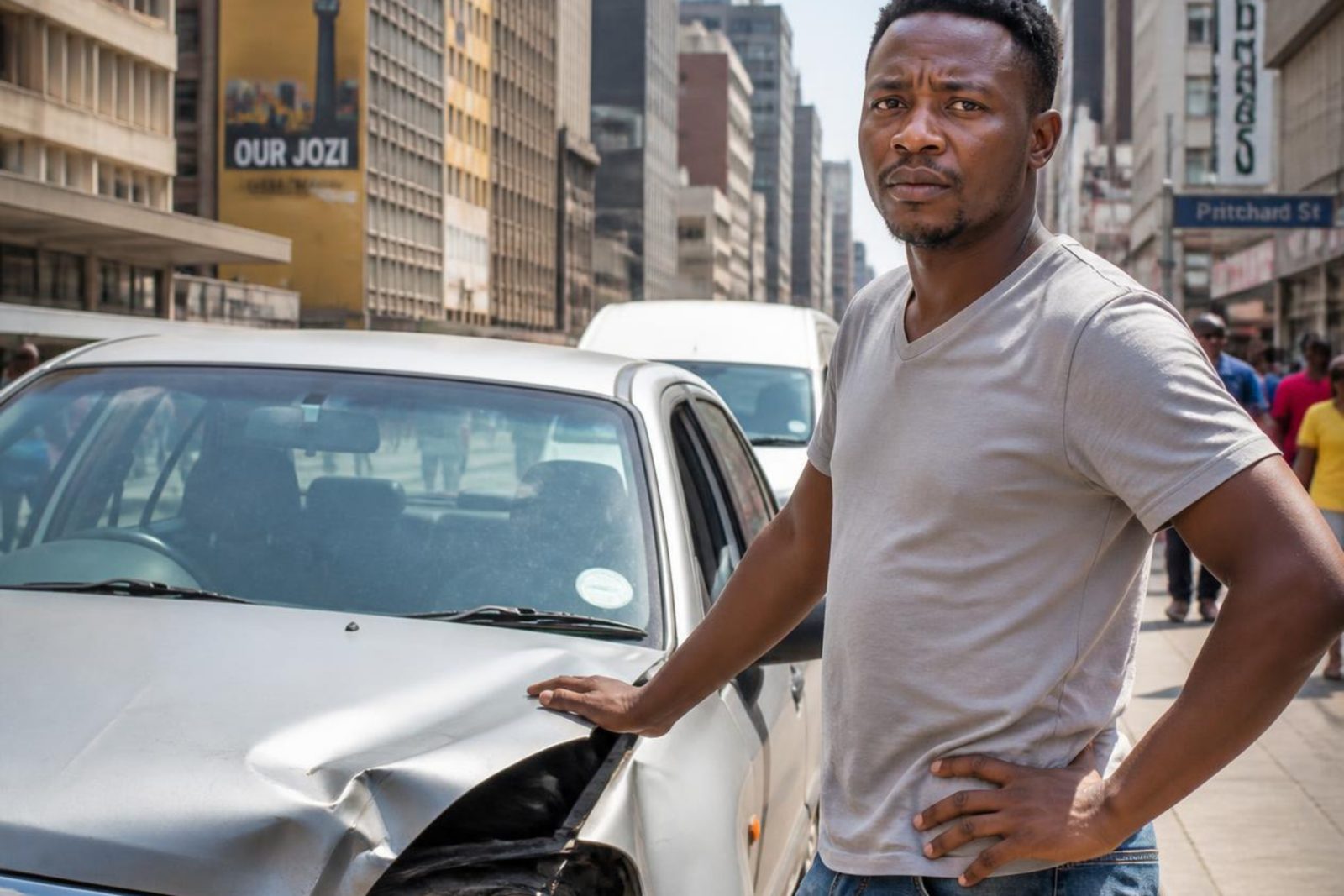
Looking to sell a damaged, non-running, or financed car? Get a fair cash offer, secure EFT payment, and free towing anywhere in SA.
Selling a damaged car in South Africa used to mean agonising choices: accepting a lowball trade-in offer from a dealership, dealing with unreliable private buyers on classified sites, or paying steep storage fees at a panelbeater while waiting for insurance payouts.
Today, thousands of South Africans are turning to specialised online platforms like Sell Your Damaged Car to sell their damaged cars safely, quickly, and without administrative headaches.
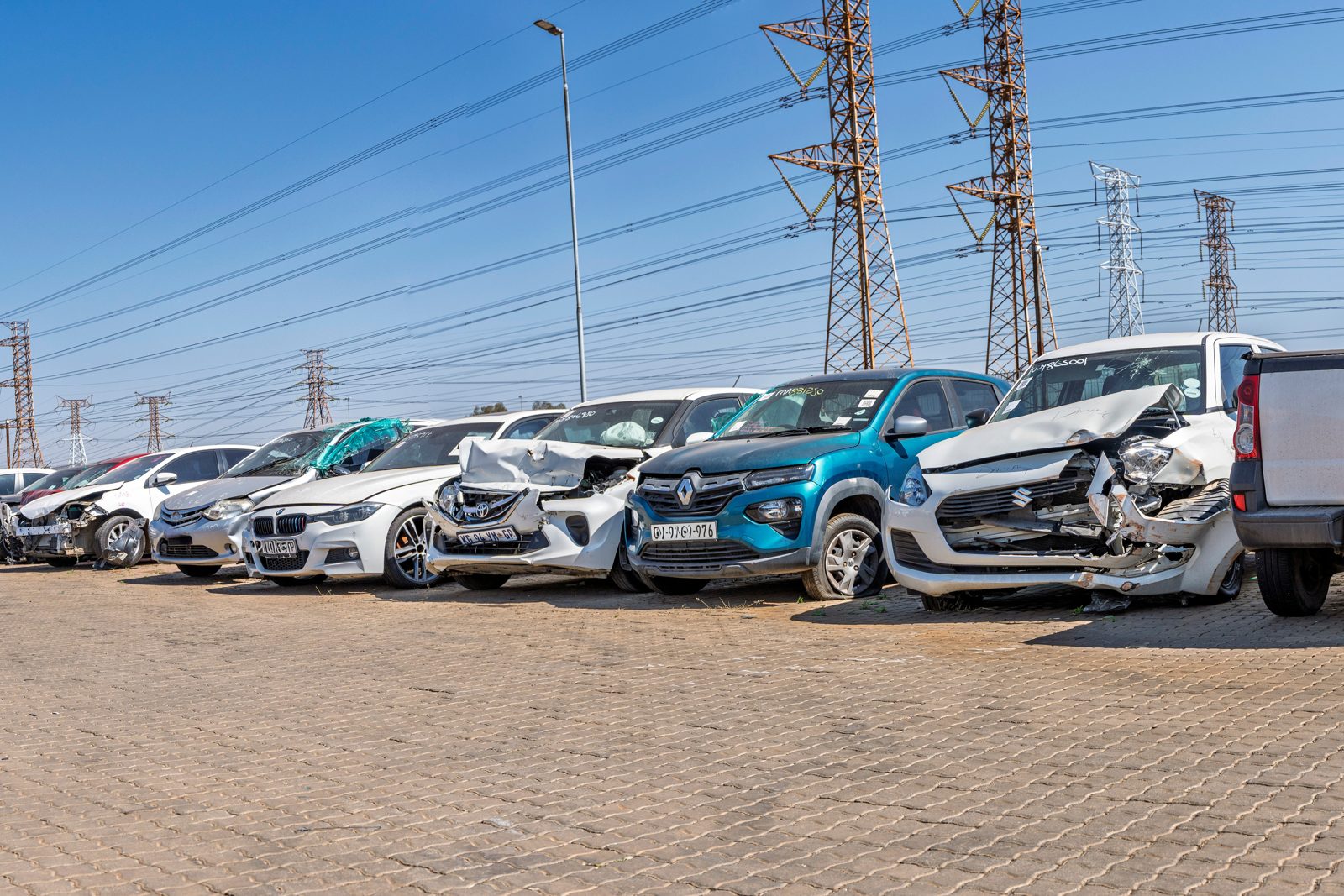
This practical guide breaks down how real car owners across South Africa can navigate the process securely, avoid common online scams, and receive prompt payment upon pickup.
The Realities of Selling a Damaged or Non-Running Car in SA
When your car is damaged or broken down, keeping it parked outside your home or paying storage fees at a local repair yard can quickly drain your wallet. South African car owners usually face three core selling routes:
- Trade-Ins at Dealerships: Traditional dealerships rarely buy non-running or accident-damaged cars. If they do accept them, they heavily discount the trade-in value.
- Private Buyers (Gumtree / Facebook Marketplace): While private buyers might promise top Rand, this route is fraught with safety risks, fake EFT payment proofs, time-wasters, and security concerns when strangers visit your property.
- Specialised Cash Buyers: Professional car buying services evaluate damaged, non-running, or financed cars online, provide a transparent valuation, handle NATIS ownership transfers, and arrange free towing nationwide.
5 Critical Safety Steps When Selling Online
Safety is the primary concern for South African car owners transacting online. To ensure a 100% secure transaction, follow these proven safeguards:
- Avoid Unverified Private Buyers and Test-Drive Scams: Scammers often target non-runner or damaged car listings with fake payment proofs or deposit-slip scams.
- Verify Accreditation & Customer Reviews: Before accepting an offer, check independent review platforms like HelloPeter. Look for verified buyers backed by reputable networks (like Auction Nation) with transparent team contact details.
- Demand Cleared Payment Before Car Release: Never allow a tow truck driver to hook up your car until agreed funds reflect in your bank account as a cleared balance.
- Require Free Nationwide Towing: If your car cannot drive, paying R1,500 to R3,500 for private flatbed towing eats directly into your profit. Ensure the buyer provides free collection across Gauteng, Cape Town, Durban, or rural areas.
- Complete Official Change of Ownership (NATIS / NCO Form): Simply handing over keys without submitting a Notification of Change of Ownership (NCO) form to the Department of Transport leaves you legally liable for future traffic fines and toll fees.
Turn Your Damaged Car Into Cash Today
From Initial Request to Final Payout
Selling a damaged car online follows a streamlined, digital process:
Submitting Details & Obtaining Your Offer
The process begins when you provide basic car details online, including make, model, year, mileage, engine condition, and location.
Uploading clear photographs showing exterior damage, the engine bay, interior condition, and the dashboard cluster guarantees transparency so your initial quote matches your final payout without surprise deductions at pickup.
An expert evaluator analyses market value, repairability, and salvage parts demand to issue a fair cash offer.
Verification, Payment & Towing
Once accepted, administrative teams verify your NATIS registration documents (RC1) or assist with bank settlement if the car is still financed.
Payment is processed via secure Electronic Funds Transfer (EFT) directly to your nominated South African bank account. Following payment confirmation, a driver or flatbed truck collects the car from your home, workshop, or panelbeater at no extra charge.
More Reviews From Our Customers
Essential Documents Required in South Africa
To ensure a smooth, legal transaction under South African law, prepare the following paperwork:
- South African Green ID Document / Smart Card ID or valid Passport.
- Proof of Residential Address (utility bill or bank statement less than 3 months old).
- NATIS Car Registration Certificate (RC1): Original certificate showing the car is registered in your name.
- Bank Settlement Letter (if financed): If your car is financed through ABSA, WesBank, Standard Bank, or Nedbank, professional buyers settle the outstanding balance directly and pay you the remaining cash surplus.
- Proof of Banking Details: Stamped bank statement for secure EFT payout.
Frequently Asked Questions
1. Where can I find genuine, verified cash buyers for salvage cars in South Africa?
Professional platforms like Sell Your Damaged Car operate nationwide across all 9 provinces. We provide verified, safe online buying services backed by established automotive auction networks like Auction Nation, ensuring complete financial transparency and legal compliance.
2. Can I sell a non-running car for cash if it won't start or has major mechanical failure?
Yes. Non-runners, cars with blown head gaskets, broken gearboxes, engine knock, or turbo failures are evaluated based on structural and salvage component value. Free flatbed towing is included regardless of mechanical condition.
3. How do I sell an accident-damaged car and ensure instant payment securely?
Work exclusively with accredited platforms that process secure Electronic Funds Transfers (EFT). The cleared funds reflect in your account before the car is loaded onto the tow truck or removed from your property.
4. Who buys Code 3 or written-off damaged cars near me?
Specialised salvage buying networks purchase Code 2 (used/damaged) and Code 3 (permanently written-off or rebuildable) cars nationwide across all major metro hubs and regional towns.
5. Is selling a financed damaged car to online cash buyers allowed?
Yes. The buying service requests a settlement letter from your financial institution, pays the bank directly to clear the loan, and pays any remaining cash equity directly into your account.
6. What happens if I don't have my original NATIS registration certificate?
While an original NATIS RC1 certificate is required for final transfer, reputable buyers assist you with duplicate document retrieval from the licensing department or coordinate with your bank if they hold the title deed.